Milan's Brera District: Where Design Capital Meets Ultra-Luxury Living
March 2026 · 10 min read
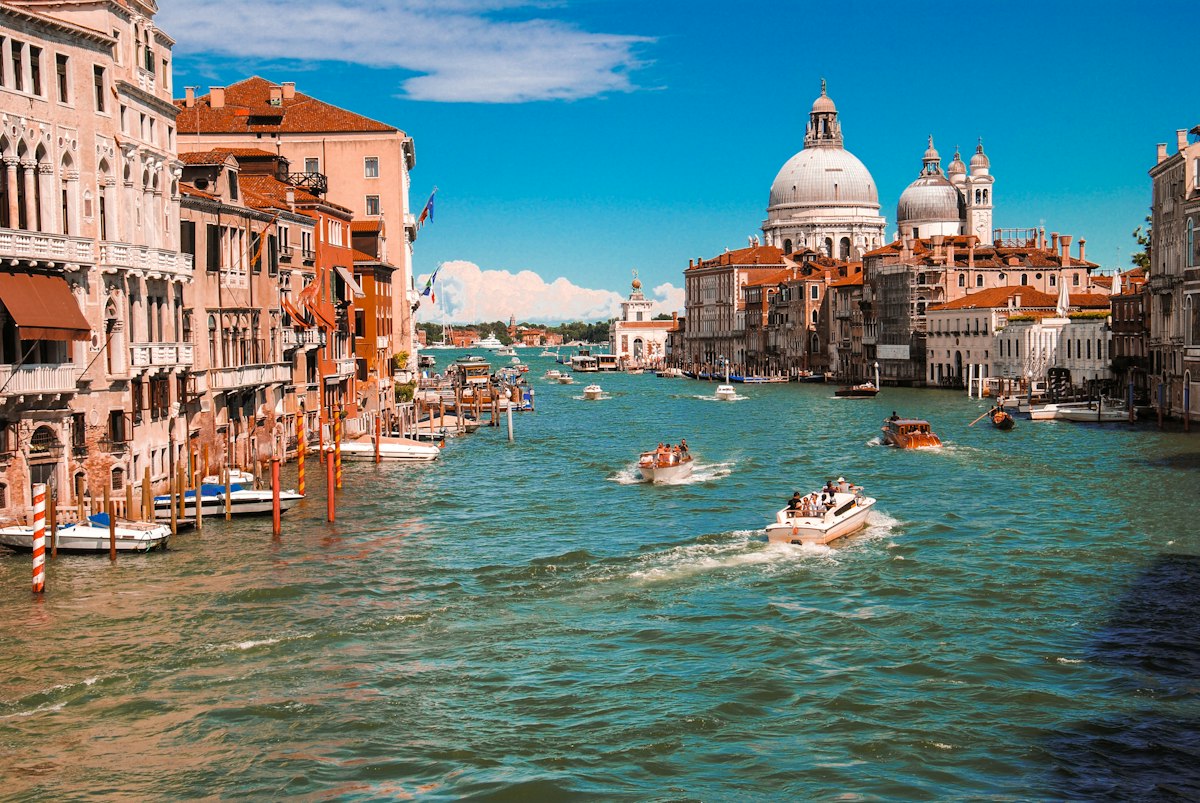
There is a particular quality of light in Brera during the golden hour — it slants through the narrow cobblestone streets at precisely the angle that made Milanese painters obsessive about this quarter for centuries. Today, the same streets that nurtured Hayez and the Brera Academy's bohemian culture have become the address of choice for a new constellation of ultra-high-net-worth residents who understand that in Milan, culture is luxury.
From Artists' Quarter to €15,000/m²
Brera's metamorphosis did not happen overnight. The district's artistic DNA — anchored by the Pinacoteca di Brera, the Accademia, and dozens of galleries along Via Fiori Chiari — created a cultural gravity that first attracted fashion houses, then design studios, and finally the real estate market's most discerning buyers. In 2026, premium penthouses in restored 18th-century palazzi command €14,000-16,000 per square metre, a figure that places Brera alongside the most exclusive quarters of Paris and London.
What separates Brera from comparable European luxury districts is density of experience. Within 500 metres of any address, residents access more Michelin-starred restaurants, museum-quality galleries, and artisanal ateliers than in entire cities elsewhere. The neighbourhood functions as a curated, walkable world — something no gated compound or suburban estate can replicate.
The Palazzo Renaissance
The most sought-after properties are not new builds but meticulous restorations of 17th and 18th-century palazzi. Developers like Gruppo Statuto and Hines Italy have mastered the art of inserting contemporary luxury — home automation, radiant cooling, private elevator cores — into buildings whose frescoed ceilings and original terrazzo floors must remain untouched under Soprintendenza oversight.
A benchmark is Palazzo Brera 12, where a recent conversion created eight residences averaging 280 square metres, each with interior courtyard access, ceiling heights exceeding four metres, and engineered oak joinery that references Milanese mid-century design. The project sold out at €4.2 million average before completion.
The hidden luxury is silence. Brera's pedestrian-priority streets and low-rise fabric create an acoustic environment that feels impossible for a city of 1.4 million. Residents describe the sensation as living inside a private cloister that happens to be at the epicentre of global design culture.
Design Week: When Brera Becomes the World's Living Room
Every April during Salone del Mobile, the Brera Design District transforms into the planet's most important showcase for furniture, lighting, and interior design. For residents, this is both spectacle and investment thesis — the annual influx of 400,000 design professionals and collectors drives short-term rental yields above 12% for property owners willing to vacate for the week, and the global media coverage sustains property values year-round.
But the savvier owners stay. During Design Week, their homes become social currency — dinner parties in a frescoed dining room overlooking the Orto Botanico carry a cachet that no hotel suite can match. The networking density creates deal flow that more than compensates for any rental income foregone.
The Buyer Profile
Brera attracts a specific archetype: the culturally fluent buyer who values proximity to ideas over proximity to nature. Fashion executives, art collectors, tech founders with design sensibilities, and a growing cohort of Gulf-based investors who view Milan as Europe's most dynamic luxury market. Many maintain Brera as a pied-à-terre alongside Lake Como or Tuscan country estates — the urban anchor in a multi-property Italian portfolio.
The Italian flat-tax regime (€200,000 annually for new residents, regardless of global income) has accelerated non-European acquisition, particularly from buyers in the UAE, Singapore, and the United States who see Milan's combination of culture, connectivity (Malpensa and Linate offer direct flights to 180+ destinations), and lifestyle as unmatched.
What to Watch
The extension of Milan's M4 metro line, reaching completion in 2026, will further enhance Brera's connectivity without disrupting its intimate village scale. Meanwhile, the regeneration of the Porta Nuova district — just 10 minutes' walk north — is creating a complementary luxury ecosystem where contemporary architecture (Bosco Verticale, Biblioteca degli Alberi) meets Brera's historical fabric.
For investors, the calculus is straightforward: Brera offers asset appreciation aligned with Milan's growing status as Europe's luxury capital, rental yields supported by global events, and a lifestyle return that no spreadsheet can quantify. In a world where ultra-luxury real estate increasingly trades on cultural capital, there may be no better address in Italy.
Explore more from Italy Latitudes
Discover our guides to Lake Como's villa market, Florence's Palazzo Pitti quarter, and Venice's palazzo renaissance.
Part of the Latitudes Network
Italy Latitudes is part of Latitudes Media — a curated network of luxury destination guides. Explore Monaco, Dubai, and the French Riviera.