Tuscany's Wine Estate Renaissance: When Vineyard Meets Villa
March 2026 · 10 min read
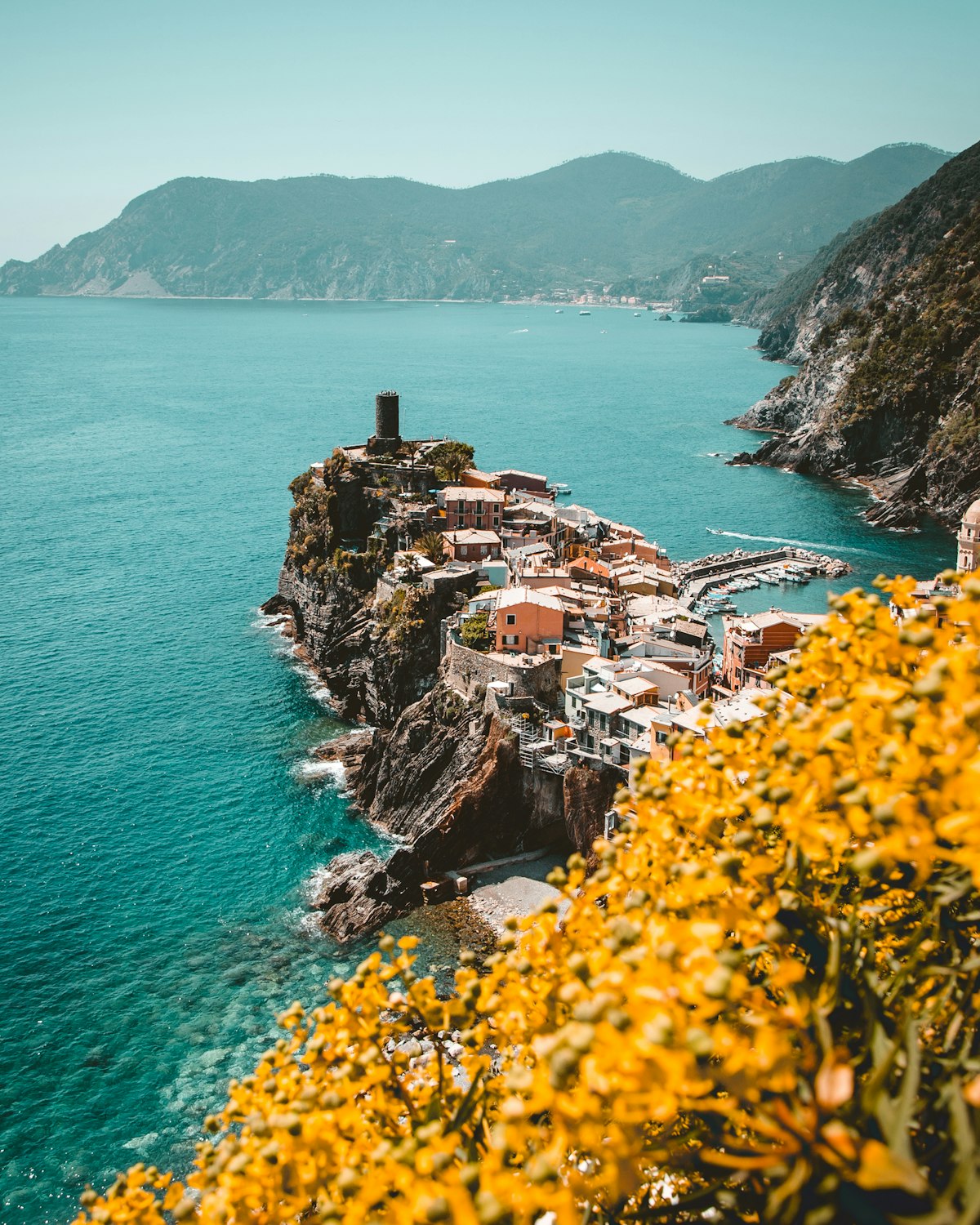
There is a particular romance to owning a vineyard in Tuscany — the idea of waking to the scent of rosemary and cypress, walking through rows of Sangiovese vines, and hosting dinner on a terrace overlooking hills that haven't changed since the Medici. In 2026, that romance has become one of Italy's most sophisticated luxury investments.
The Market: €3M to €20M
A working wine estate with principal villa, guest accommodations, cantina and 15-30 hectares of classified vineyard starts at approximately €3M in emerging zones like Maremma or Val d'Orcia. In the premium appellations — Chianti Classico, Brunello di Montalcino, Bolgheri — equivalent properties command €8-20M, with established labels and distribution adding significant intangible value.
The key distinction: you are buying a business, not just a property. Annual operating costs for a mid-sized estate run €200,000-500,000, and profitability depends on wine quality, brand positioning, and the increasingly important agritourism component.
Chianti Classico: The Blue-Chip
Between Florence and Siena, the Chianti Classico zone remains the benchmark. Properties here benefit from proximity to Florence (45 minutes), established tourist infrastructure, and the global recognition of the Gallo Nero brand. Expect €10,000-15,000 per hectare for classified vineyard, plus €2-4M for the historic villa complex.
Montalcino: The Connoisseur's Choice
Brunello di Montalcino commands the highest per-bottle prices of any Italian wine, and estates here carry a corresponding premium. The town's strict production regulations (100% Sangiovese Grosso, minimum 5 years ageing for Riserva) create genuine scarcity, and with only 2,100 hectares under vine, new supply is essentially impossible.
Bolgheri: The New Frontier
On Tuscany's Tyrrhenian coast, Bolgheri has emerged as the region's most exciting wine zone, producing Super Tuscans that rival Bordeaux's First Growths. Sassicaia, Ornellaia, Masseto — these are names that move markets. Acquiring vineyard here is extremely difficult; when estates change hands, prices reflect both the wine potential and the coastal Maremma lifestyle.
The Agritourism Angle
Italy's agriturismo regulations provide significant tax advantages for estate owners who offer accommodation and hospitality. A well-converted estate with 8-12 luxury suites can generate €300,000-800,000 annually in guest revenue, effectively subsidising the wine operation and creating a self-sustaining luxury asset.
Italy Latitudes — Premium intelligence on Italy's finest destinations and luxury investments. Request access →