Portofino: How a Fishing Village of 400 Residents Commands Europe's Highest Coastal Premiums
March 14, 2026 · 9 min read
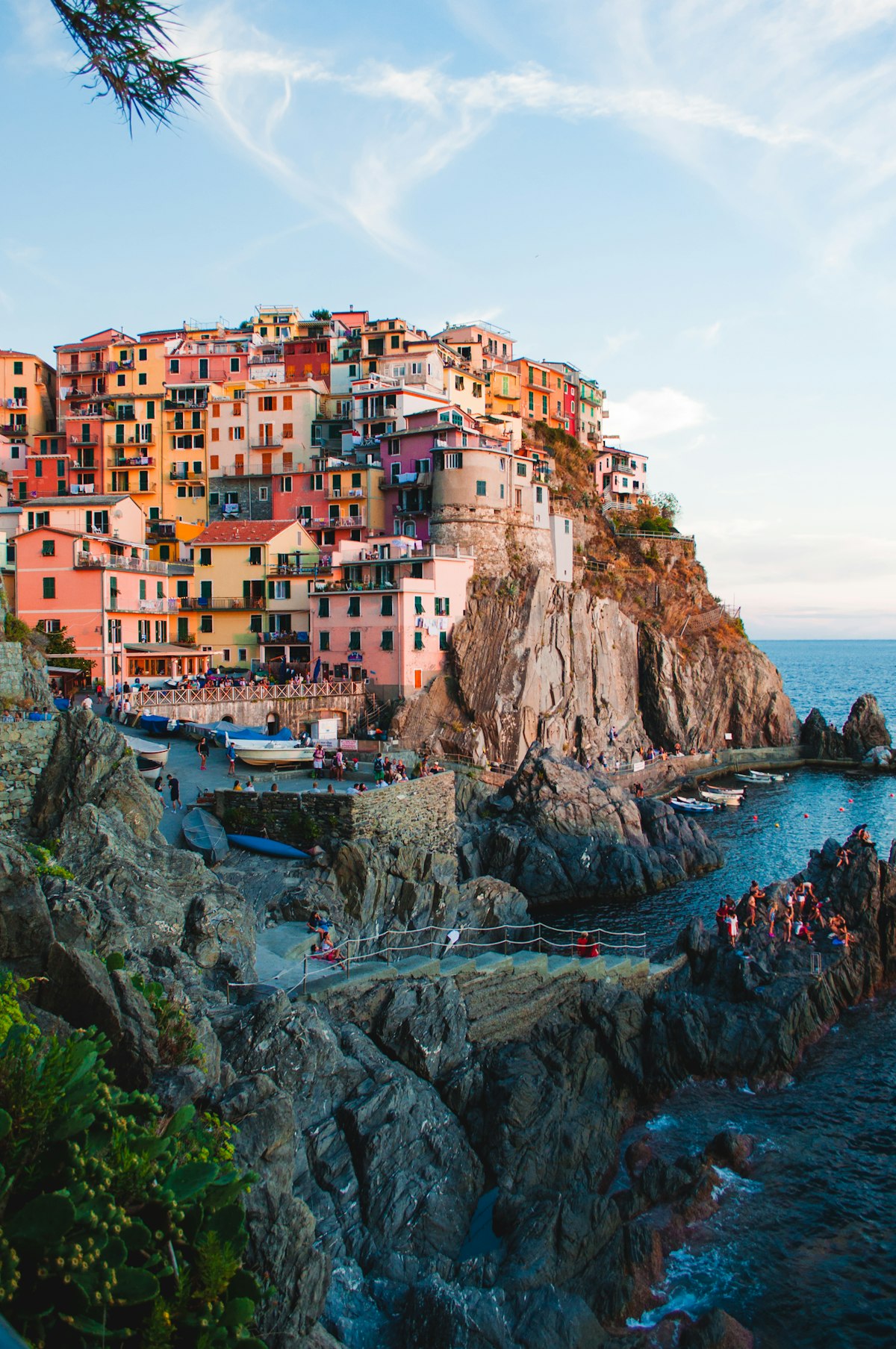
The piazzetta in Portofino measures roughly 30 metres by 20 metres. It contains four cafés, a handful of boutiques, and on a summer afternoon, perhaps the highest concentration of personal wealth per square metre of any public space in Europe. The village behind it — 400 permanent residents, one church, no supermarket — generates more luxury real estate mythology than cities a thousand times its size.
The Geometry of Scarcity
Portofino's real estate market is defined by a single fact: the entire promontory is a protected regional park. The Parco Naturale Regionale di Portofino encircles the village, prohibiting new construction on every hillside, every ridge and every cove. The building stock is frozen — approximately 200 residential properties, of which perhaps 40 to 50 qualify as significant villas.
This isn't artificial scarcity manufactured by zoning boards. It's geological scarcity enforced by a headland that plunges into the Ligurian Sea on three sides. The access road — a single-lane serpentine from Santa Margherita Ligure — physically limits how many people and vehicles can reach the village. During peak season, private cars are banned entirely. You arrive by boat, by foot, or not at all.
The €30,000 Per Square Metre Club
Portofino's pricing defies Italian real estate conventions. While even premium Italian coastal markets — Capri, Positano, Forte dei Marmi — operate between €8,000 and €15,000 per square metre, Portofino's harbour-front properties routinely exceed €30,000. A villa with direct water access and a private mooring — perhaps six exist — enters territory above €40,000 per square metre, comparable to Monaco's Carré d'Or.
The comparison with Monaco is instructive. Both are tiny enclaves where wealth is compressed into minimal geography. But where Monaco offers tax advantages, modern infrastructure and year-round social programming, Portofino offers none of these. Its premium is purely aesthetic and emotional — the conviction, shared by generations of buyers from the Agnelli family to contemporary tech founders, that this particular arrangement of pastel facades, harbour water and pine-covered hills is the most beautiful place in the Mediterranean.
The Dolce & Gabbana Effect
Portofino's relationship with fashion is symbiotic and self-reinforcing. Dolce & Gabbana's annual Alta Moda shows, staged among the village's historic buildings, have transformed the piazzetta into one of fashion's most photographed runways. The brand's association with the village — they've described Portofino as their "spiritual home" — has introduced a younger, global audience to a destination that was previously the preserve of European old money.
The impact on property values has been measurable. Since the Alta Moda events began, transaction prices in Portofino have increased by approximately 40%. More significantly, the buyer profile has shifted. Where the village was once dominated by Milanese and Genoese families who had owned properties for decades, the market now attracts American, Middle Eastern and Asian buyers who discovered Portofino through Instagram rather than inheritance.
The Renovation Premium
Because new construction is impossible, the Portofino market is entirely a renovation play. Buyers acquire historic structures — fishermen's houses, converted watch towers, former olive-oil warehouses — and invest €5,000 to €10,000 per square metre in restoration. The Soprintendenza (heritage authority) controls every external modification: window proportions, shutter colours, facade materials and roofline profiles must conform to historical standards.
The constraints produce remarkable results. Behind the preserved 18th-century exteriors, interiors are fully contemporary: underfloor heating, home automation, professional kitchens, and bathrooms finished in Ligurian marble. The best renovations achieve a seamless dialogue between historical shell and modern comfort — stone walls meeting polished concrete, antique timber beams above Italian designer furniture.
The Perpetual Village
Portofino's future is its past, permanently. The park protections will never be lifted. The building stock will never expand. The access road will never be widened. These are not temporary planning decisions — they are embedded in regional law and environmental protection statutes that no political cycle can reverse.
For the luxury buyer, this permanence is the proposition. In a world where every exclusive destination is one rezoning decision away from overdevelopment, Portofino is constitutionally incapable of growth. The village you buy into today will be materially identical in 50 years: same buildings, same harbour, same pine trees on the headland. In real estate, immutability is the rarest commodity of all — and Portofino has cornered the market.
Published by Italy Latitudes · Part of the Latitudes Media network.